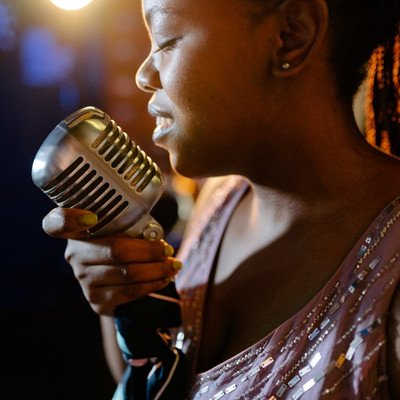
Spoken Word Open Mic Etiquette: Holding The Mic, Holding The Room
Learn the essential spoken word open mic etiquette for poets and audiences in NYC. Discover how to respect the mic, hold the room, and support local venues.
February 16, 2026 •
4 min read

Spoken word open mics are sacred spaces.
They are rooms where vulnerability is currency, silence is respect, and the microphone is more than equipment — it’s testimony. From historic stages like The Nuyorican Poets Cafe to intimate neighborhood cafés, spoken word open mics have long served as platforms for truth-telling, healing, resistance, and connection.
Because of that, **etiquette matters**.
Whether you're performing or attending, how you show up shapes the energy of the room.
## For Poets: How To Respect The Mic
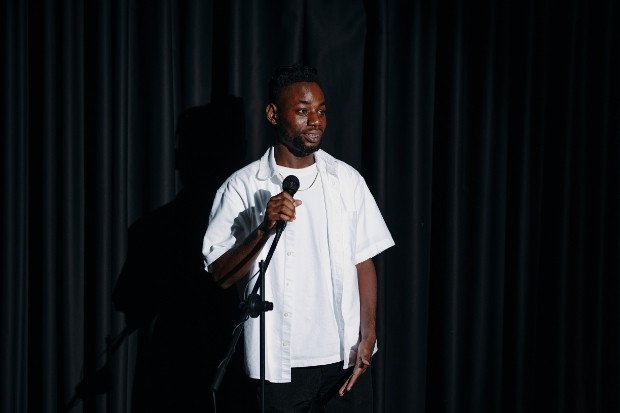
**Do: Honor The Time Limit**
If you’re given three minutes, take three minutes. Not four. Not “just one more piece.” Time limits protect the collective. Every poet deserves their moment. Practice your piece beforehand so you can land your ending with intention instead of being cut off mid-line.
**Do: Arrive Prepared**
* Know your opening line.
* Know your closing line.
* Adjust the mic to your height.
* Take a breath.
* Begin when you’re centered.
Confidence isn’t about arrogance — it’s about readiness.
**Do: Listen As Deeply As You Perform**
Spoken word is reciprocal. If you expect silence during your most vulnerable stanza, offer that same silence to the poet before you. Stay in the room. Don’t perform and disappear unless absolutely necessary.
**Do: Receive Feedback With Grace**
Not every piece will land the way you imagined. That’s part of the work. Growth happens in honest rooms.
**Don’t: Trauma-Dump Without Awareness**
Spoken word often engages heavy themes — grief, abuse, injustice. That’s valid. But be mindful of how you frame it. If your content is potentially triggering, consider offering a brief content note.
**Don’t: Monopolize The Space**
The mic is communal. Respect that.
## For The Audience: How To Hold The Room

Open mics are not passive entertainment. The audience is part of the performance ecosystem.
**Do: Practice Active Listening**
That means:
* No loud side conversations
* No scrolling
* No clinking glasses during quiet pieces
Your attention is a gift.
**Do: Respond Authentically**
In many poetry spaces, snapping is a sign of appreciation. Applause, murmurs of agreement, or quiet affirmation are welcome when appropriate. Read the room.
**Do: Stay For More Than One Poet**
Energy builds collectively. If everyone leaves after their friend performs, the room collapses.
**Don’t: Heckle Or Critique From The Audience**
Spoken word is not amateur night at a roast battle. Even if a piece isn’t your style, respect the courage it took to share.
## Support The Space That Supports The Artists
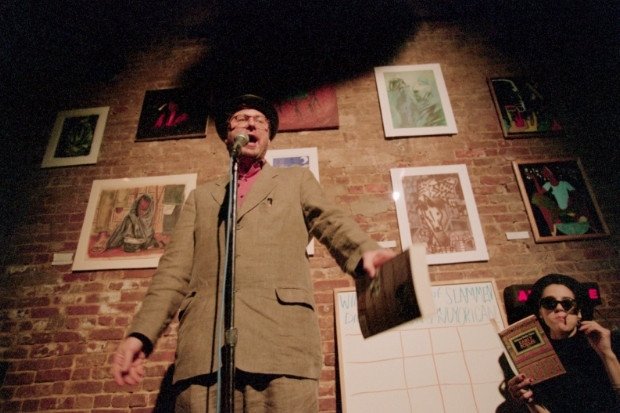
This is crucial.
Spoken word venues often operate on thin margins. Independent cultural institutions — like Bowery Poetry Club and countless local cafés across the country — survive because communities choose to sustain them.
* If there’s a cover charge, pay it without complaint.
* If there’s a donation bucket, contribute what you can.
* Buy a drink.
* Buy a book.
* Tip the staff.
Curators and hosts spend hours:
* Booking talent
* Promoting the event
* Managing sign-ups
* Holding emotional space
* Cleaning up after
Often for little or no pay. Financial support is not just transactional — it’s ethical. If we want poetry spaces to exist, we must invest in them.
Art cannot thrive where venues cannot survive.
## The Unspoken Rule: Protect The Energy
Spoken word open mics are fragile ecosystems. One disruptive voice can shift the entire night.
Protect the energy by:
* Showing up on time
* Respecting the host
* Encouraging new voices
* Avoiding ego-driven behavior
* Remembering that this is community, not competition
The strongest poetry rooms aren’t the ones with the loudest applause. They’re the ones where people feel safe enough to tell the truth.
## Final Thoughts
A spoken word open mic is more than a stage. It’s a gathering of lived experiences. A rehearsal for courage. A reminder that stories matter.
When you step into that room — whether to perform or to listen — you’re participating in something bigger than yourself.
Hold the mic with care.
Hold the room with respect.
Related Searches in NYC
- how to promote poetry through blog networking
- why in-person art events matter
- planning spoken word events in 2026
- Keisha Molby-Baez poetry books
- who is roya marsh poet
Trending Searches in NYC
- supporting independent poetry venues NYC
- benefits of using gravatars for poet networking
- great weather for MEDIA co-founder
- poetry about survival and strength
- spoken word community resurgence